

How to cook seafood

8 minutes read time
07 August 2026
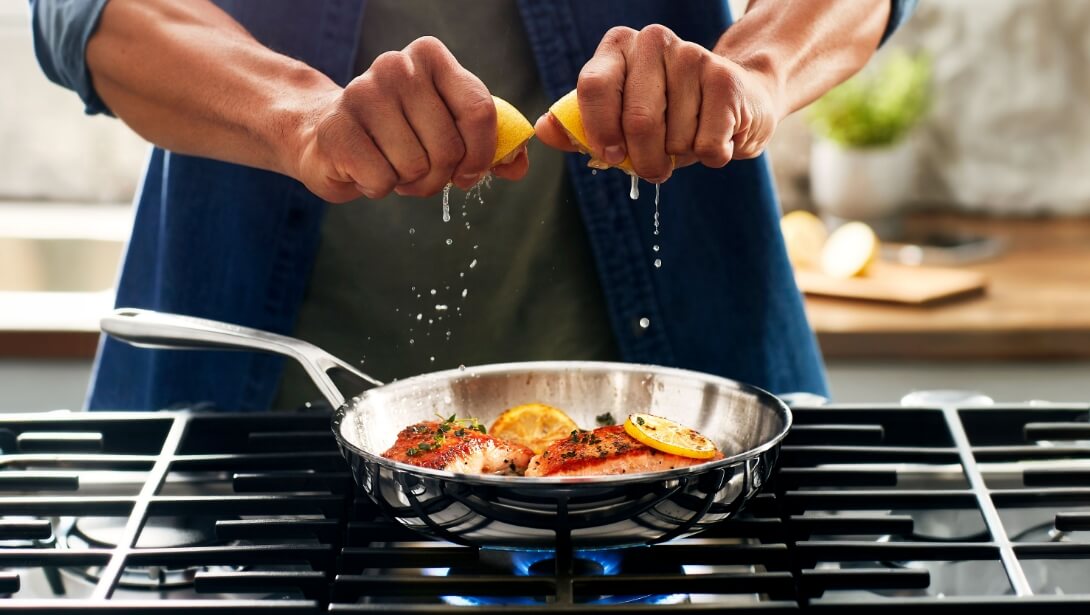
Seafood. It’s quick, light and at home in just about any dish. But it’s also easy to overcook. And every type behaves differently. Once you understand a few basics though, it gets surprisingly easy. Knowing which fish to use, how to prep it and when to take it off the heat. Get the hang of those and you'll nail the texture, skip the rubbery prawns and cook just about any seafood dish with more confidence. These tips and recipes will get you there.
How to cook seafood
How to cook seafood
- Good seafood starts with good preparation
- How to cook whole fish and fillets
- How to cook shellfish and mixed seafood dishes
- How to prepare raw seafood
- How to handle minced and shaped seafood
- How to cook seafood pasta
- 16 seafood recipes to try and the sauces to match them
- Fish recipes
- Shellfish and mixed seafood recipes
- Sauces for fish and seafood
Good seafood starts with good preparation
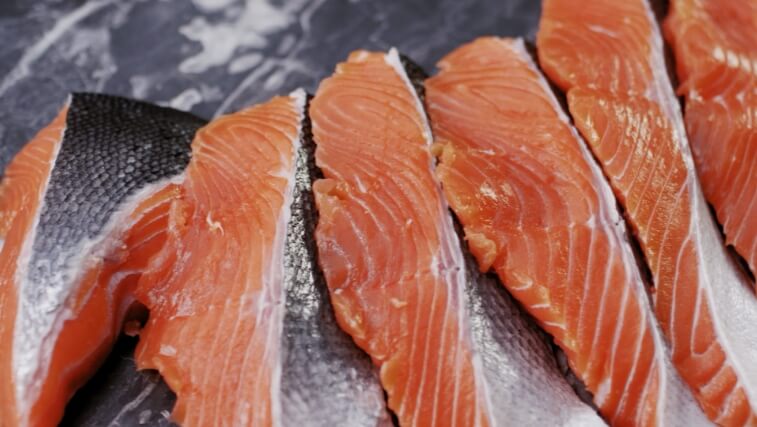
Don’t turn on the heat just yet. Cooking up a delicious seafood dish starts before anything even hits the pan. From thawing your salmon safely to cutting your fillet evenly, these small steps all show up on your plate. Skip them, and you’ll notice straight away. Do them well, and your seafood cooks evenly, crisps where it should and stays tender inside.
Thaw it safely
Always thaw your seafood in the fridge or under cold running water in a sealed bag. Never on the counter, never in warm water. Convenient as that sounds. But fish is surprisingly good at growing bacteria, so it's really not worth the risk.
Store it cold
Once it's thawed, keep it in the fridge until the moment you need it. For raw dishes especially, since you won't be cooking out any bacteria.
Check if it’s fresh
Got an open mussel or clam? Give it a tap. If it doesn't close, it's dead. And into the bin it is. Same goes for any damaged shellfish. Going raw? Look for quality seafood that's meant to be eaten raw.
Clean it thoroughly
Whole fish on the menu? Make sure it’s gutted and scaled. Shellfish? A quick rinse should do. Then run your fingers along the fillet and pull out any bones you find.
Cut it evenly
Uneven pieces cook unevenly. Thin ends dry out while thicker parts are still catching up. So portion your fish evenly.
Pat it dry before you sear it
Wet fish won’t sear. Wet shellfish won’t crisp. So grab some kitchen paper and pat them dry before it goes anywhere near heat or breadcrumbs.
Chill it before you cook it
Working with minced or shaped seafood, for patties, fillings or terrines? Give them 30 minutes in the fridge before you cook them. This way, the mixture gets a chance to firm up and your patties won't fall apart once they hit the pan.
Now that you know what to do before anything hits the pan, it’s time to get cooking.
How to cook whole fish and fillets
Fish doesn’t need much. In fact, the simpler you keep it, the better it tends to turn out. It’s all about letting the natural flavour and delicate texture come through. And that comes down to knowing how to prepare your fish, what’s the best way to cook it, and when to take it off the heat.
How to prepare whole fish and fillets?
Fish straight from the fridge into a hot pan? That’s a recipe for uneven cooking. The outside is done before the centre has even caught up. Take it out of the fridge 15 to 20 minutes before you cook it. Simple fix, noticeable difference.
Skin or no skin, wet fish doesn't crisp or sear. It steams. Pat it dry with kitchen paper before you put it in the pan or coat it with breadcrumbs.
Salt your fish just before it goes into the pan or oven, not a minute earlier. Salt left sitting on fish draws out moisture fast. And that will make your fish go soggy and tough on the outside.
How to cook whole fish and fillets?
In the pan
Want crispy skin and a tender, flaky centre? The pan is your best friend. Especially with skin-on fillets.
In the oven
In the oven, your fish gets steady, even heat from all sides. So it cooks through, doesn't dry out and doesn't need babysitting. Works for both fillets and whole fish.
On the grill
Put your fish on the grill and you’ll get a light char and a deeper, more intense flavour. Something you won’t quite get from a pan or oven. Some fish were made for it. Tuna, swordfish, salmon and monkfish are the obvious picks. They're meaty enough to handle the heat. But whole sea bass, sardines, large prawns, lobster and scallops do just as well.
En papillote
En papillote sounds fancy. But all you're really doing is folding your fish and vegetables into a parchment paper pouch and popping it in the oven. Inside, everything steams in its own juices. The fish stays moist, the flavours stay locked in and you barely have to do anything.
Poach it
Worried about overcooking your fish? Poach it. Slip your fish into stock, wine, milk or any other flavourful liquid, keep the heat low and it stays moist. Very hard to go wrong. It’s your way to go for delicate fish like cod, haddock or sole, but it works just as well with salmon.
Finish like a chef.
Your fish is almost there. Now do what chefs do to take your dish just a step further.
At the last minute, add a knob of butter, a crushed garlic clove and a few herbs to the pan. Let the butter foam, then spoon it over the fish. It’s a small step, but it gives you that rich, glossy finish you get in a restaurant.
And right before you plate? Add a squeeze of lemon, lime or a splash of vinegar. The acid cuts through the fat and lifts the natural flavour of the fish.
Know when it's done.
Not sure if your fish is done? Here are a few signs to look for.
As it cooks, the flesh turns from translucent to opaque and firms up. It should feel set, but still tender, not stiff. Press it gently with a fork and it should flake.
Still not sure? Use a skewer or a cake tester. Insert it into the thickest part, leave it for a few seconds, then touch it to your hand. Cold means it needs more time. Warm means it's perfectly cooked. Hot means you've gone too far.
One more thing to keep in mind: your fish keeps cooking for another minute or two once you take it off the heat. So pull it off just before it looks done.
How to cook shellfish and mixed seafood dishes
Tips on cooking shellfish
Shellfish have their own rules. They cook fast, soak up flavours quickly and don’t leave much room for error. But if you keep these tips in mind, you'll end up with shellfish that are perfectly cooked and full of flavour.
Keep your eyes on the pan
Shellfish cook fast. Really fast. With prawns, the shape tells you everything. A "C" means they're done. An "O" means they've overcooked and gone rubbery. It happens in seconds, so keep your eyes on the pan. And pull them off the heat just before they look done. Just like fish, they keep cooking after they leave the pan.
Season your sauce before the shellfish go in.
Sauces, broths, a splash of wine,… shellfish soak up whatever they're cooked in like a sponge. So make sure your base tastes good before they go in.
If it doesn't open, bin it.
Cooked your mussels or clams and some haven't opened? They're dead. Throw them out. No exceptions. It's the golden rule of cooking shellfish and it's there for a reason.
Tips on cooking mixed seafoods
Mixed seafood dishes come with their own challenges. Different cooking times, different textures, all in the same pan. But if you follow the tips below, you’ll put a well-balanced seafood dish on the table.
Add each type of seafood at the right time
Not all seafood cooks at the same pace. Firm fish and thick-shelled clams need more time, so they go in first. Delicate shrimp and calamari cook in minutes. So add those last. Nail the order and nothing ends up overcooked.
Use a good stock, wine or jus Think of your stock, wine or jus as the glue of the dish. It ties all those different seafood flavours together. So, use quality stuff. You'll taste the difference.
Let seafood flavours take the lead
Seafood like scallops and crab taste naturally sweet and delicate. Keep them front and centre, and go easy on bold flavoured ingredients like chorizo or heavy garlic.
Keep a close eye on the clock
In a seafood dish, the difference between "melt-in-your-mouth" and "tough" is often less than a minute. So don’t walk away. This isn’t the time to multitask.
How to prepare raw seafood
When it comes to raw seafood, every detail matters. There’s no heat or sauce to cover up fish that’s gone too far. What you've got is exactly what goes on the plate. But pay attention to the steps below, and you’ll serve up a bright ceviche or a clean cut salmon tartare every time.
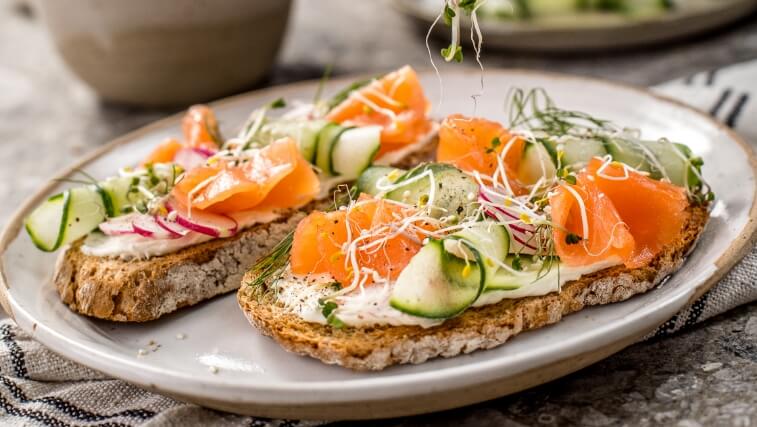
Pick seafood that’s safe to eat raw.
With raw dishes, there's no cooking to save you from any nasty little hitchhikers. So only use seafood that's meant to be eaten raw and labelled that way. That’s how you know it’s been handled and frozen correctly, and safe to eat raw.
Chill everything. Even your tools.
Raw seafood warms up fast, and that’s exactly what you don’t want. Keep your seafood in the fridge until the last moment, use chilled plates if you can, and make sure your tools are cold too. That includes your KitchenAid Food Grinder Attachment or the blade and jug of your KitchenAid Food Processor. A quick chill before you start makes all the difference. Then work in short pulses to keep your seafood from warming up.
Keep your workspace clean and your cuts even.
Start clean. Your board, your knives, other tools. And keep it that way. Raw seafood picks up whatever it touches.
Then get the cut right. Uneven pieces won’t marinate evenly in a ceviche or throw off the texture of your tartare. That's where your Stand Mixer comes in. With the chilled Food Grinder Attachment in place, it minces salmon or tuna into fine, evenly sized pieces without turning it into paste.
Making ceviche? Team up with your Food Processor. Chill the jug and blade first, then pulse in short bursts to get those neat, even cubes that “cook” evenly in the citrus. No overworked fish. No heat building up.
Use citrus juices and vinegars with care
Citrus juice or vinegar isn’t just there for flavour. It cuts through the natural oils of the fish and gives it a bright, clean finish. In a ceviche or crudo, citrus juice even does something else. It "cooks" the fish as it marinates. The acid changes the texture from translucent to firm, just like heat would. A classic ceviche needs 15 to 30 minutes of marinating. Peruvian style? Just 2 to 5 minutes. But don't leave it for over an hour. Too much acid and the fish goes chalky and dry.
Add some crunch and finish with a splash of oil.
Raw fish is soft. So add something with some bite to keep it interesting. Some thinly sliced radish or cucumber, a handful of toasted nuts or some crisp seaweed. Then finish with a drizzle of good olive oil or toasted sesame oil. It brings out the natural flavours of your seafood even more.
How to handle minced and shaped seafood
A fish fillet is just one way to serve seafood. Chop it, mince it or grind it and it tastes, feels and acts completely different in your mouth. Here's what to keep in mind if you’ve got crab cakes, terrines or patties on the menu.
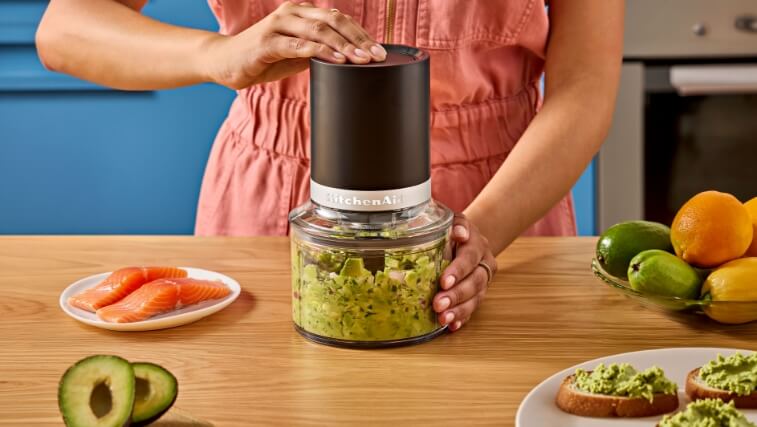
Pick your texture
Before you start, think about the texture your dish needs. If you're making a crab cake for instance, you’ll want it more rustic and chunky with a bit more bite. So go for a coarse chop. Grind it finer, if you’re after a silky, smooth texture for a terrine or mousseline.
Nail it with the right tools
No need to cut, mince or grind everything by hand. Just plug in your Food Processor. But keep it to short pulses. Blitz it too long and you'll end up with a rubbery texture instead of a light, bouncy one. For patties, your Stand Mixer with the Food Grinder Attachment works just as well.
Mix in a binder and chill before you cook
Your mixture will need some help holding its shape while it cooks. Beaten egg, fresh breadcrumbs or chilled cream all do the job. Pick one and mix it through. Then shape your patties or terrine and get them in the fridge for at least 30 minutes. This way, they won’t fall apart in the pan.
How to cook seafood pasta
Pasta and seafood. It’s a match made in the Mediterranean. But there are a few things to keep in mind when you pair those two up. Like timing, which sauce to use or how you get the flavours to pop. Follow these tips and every strand will taste of the sea.
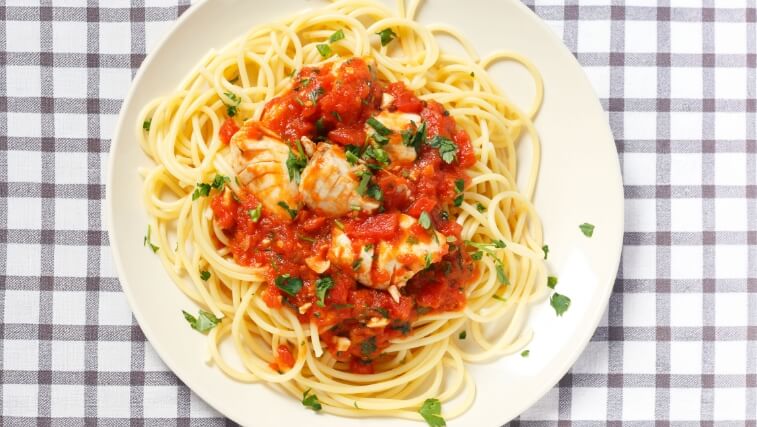
Add your seafood last
Seafood goes in at the very end. Always. Shrimp and scallops are done in 2 to 3 minutes. Add them too early and they'll be rubbery by the time the pasta is ready.
Don’t let the sauce take over
Your sauce should work with the seafood, not cover it up. A light olive oil base or a simple tomato sauce will do. Pro tip: add a splash of starchy pasta water to it. This way, it will cling to every strand.
Finish everything together
Take your pasta out just before it’s done and move it straight into the seafood pan. Give it 60 more seconds together, so it finishes cooking and it soaks up all those seafood flavours, as well as the sauce.
Go for fresh pasta
Why? Because fresh pasta does something dried pasta can't. It absorbs seafood broths and juices because it has a slightly porous texture. So every strand ends up tasting like the sea. Want to try and make it yourself? Use your KitchenAid Stand Mixer with the KitchenAid Pasta Roller and Cutter Attachment. You’ll have evenly rolled pasta that cooks at the same pace. Every time.
16 seafood recipes to try and the sauces to match them
Fish recipes
1. Fish tacos, slaw & watermelon salsa
This is summer, folded into a taco. The recipe says halibut, but any mild fish will do. Pile it into a corn tortilla with a crunchy slaw, a sweet watermelon salsa and drizzle it with the smoky roasted pepper poblano sauce you blended silky-smooth in your Food Processor. Then put it in the middle of the table and watch how fast “just one taco” turns into three.

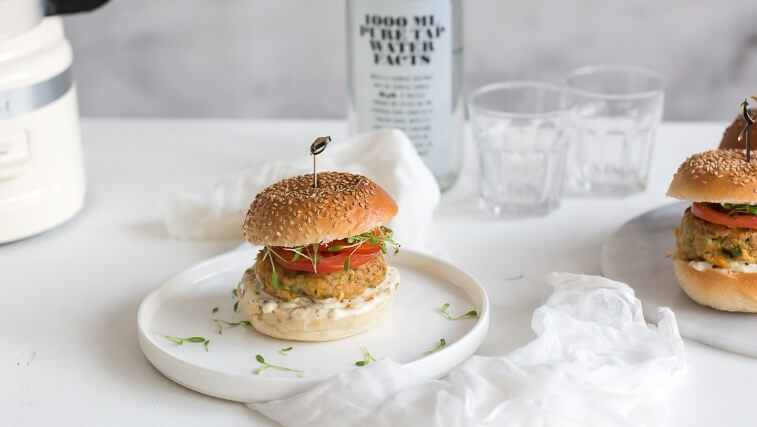
2. Fish burger
Any great burger starts with a great patty. This one just happens to be fish. And crunchy green beans. And bright scallions. And a fiery kick of red curry. All blitzed into an even, flaky mixture by your Food Processor. Be sure to pulse, not blend. You want a bit of texture. Then pan-fry until golden on both sides, stack it high, and forget beef was ever the default.
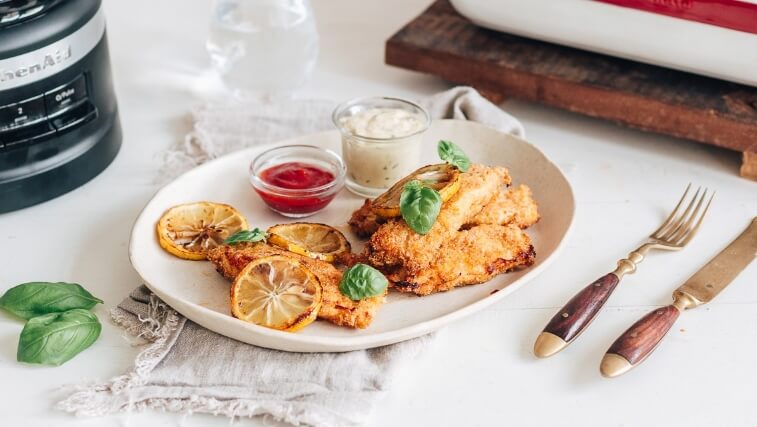
3. Crispy Oven Fish
Who says you need a deep fryer to get a crispy, golden crust? Just whizz some leftover bread in your Food Processor until fine, season it and you’ve got a homemade crumb to coat your fish fillets. Done in seconds. Then leave it to your oven to turn it all crunchy on the outside and flaky on the inside, while you handle the salad. Or the roasted vegetables. Or the tartar sauce. Or all three.
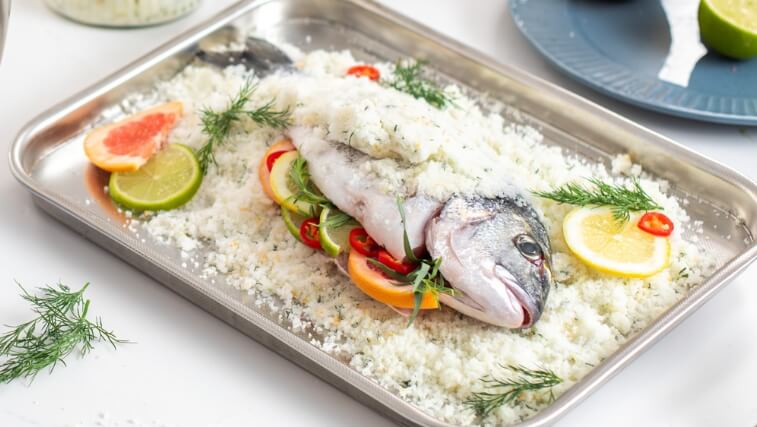
4. Citrus herb salt crusted fish
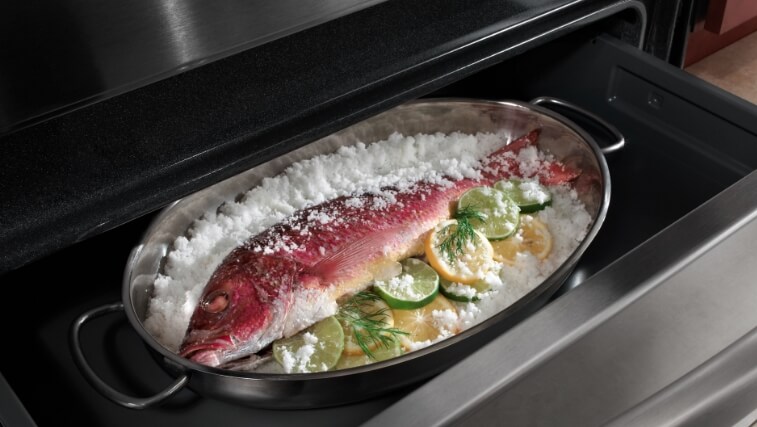
Yes, you’re covering your fish in salt. No, it won’t be too salty. That crust of coarse sea salt, citrus zest and dill seals around the fish and gently steams it from the inside out. The clean, mild flavour of the snapper or dorade takes the lead, while lime, lemon and grapefruit zest add some zing and a few slices of chili pepper bring just a little heat. It doesn’t need much else, just some boiled potatoes or a fresh salad on the side.
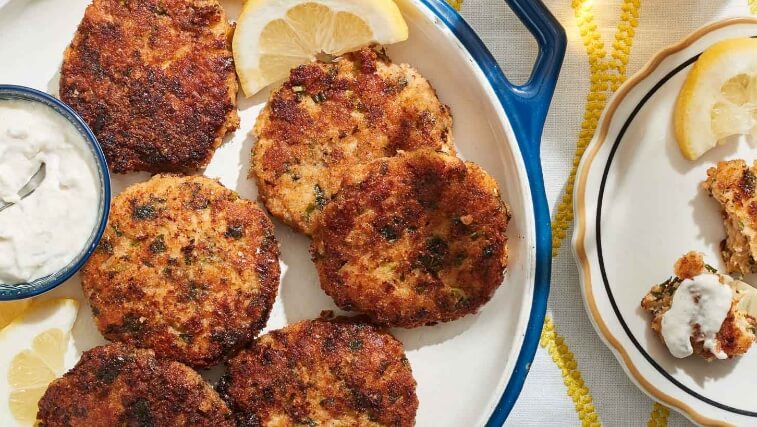
5. Parmigiano crusted halibut patties
Correction: halibut and scallop patties, actually. And yes, that makes a difference. It’s what gives them a softer bite and a little bounce you don’t get from fish alone. Your Stand Mixer with the Food Grinder attachment keeps their texture even and light, while fresh herbs and lemon zest lift the flavour and a Parmigiano-spiked crumb brings the crunch. Serve them with some tartar sauce or pair them with a green salad and buttered white rice.
6. Trout and sole terrine with basil sauce
Don't let the word terrine put you off. It sounds French and fancy, but there’s nothing over the top about this dish. It’s all about showing off the pure flavours of trout and sole, with nothing more than a handful of fresh herbs and a creamy, tangy basil sauce. So the texture has to be spot on. But with a little help from your Food Grinder attachment you’ll nail that smooth, even trout filling this recipe calls for. Serve it warm or cold. Solo or with a green salad or some simple veg. Your call.
7. Seabass, carrot and courgette ginger ceviche
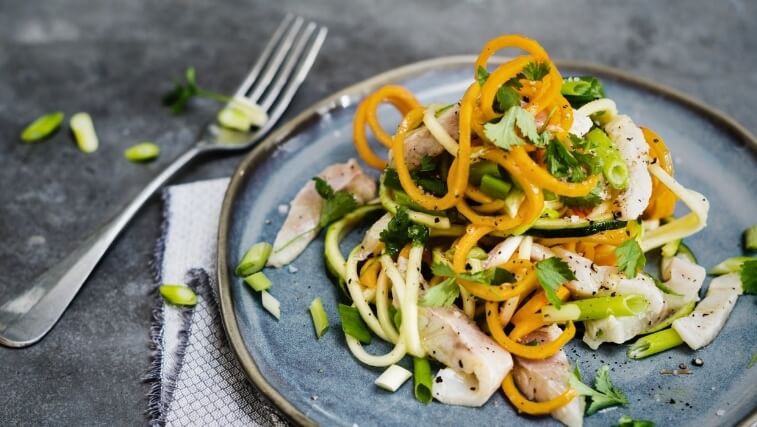
No need to turn on the stove. The thin slices of seabass “cook” just by sitting in lime juice for a good thirty minutes. Your Stand Mixer with the Spiralizer Attachment takes care of those bright, crunchy carrot and courgette curls. So you're basically just here to add ginger and coriander, toss it all together and mix up a quick raspberry vinegar dressing. This one practically makes itself.
8. Salmon tartare with pineapple and sweet soy sauce
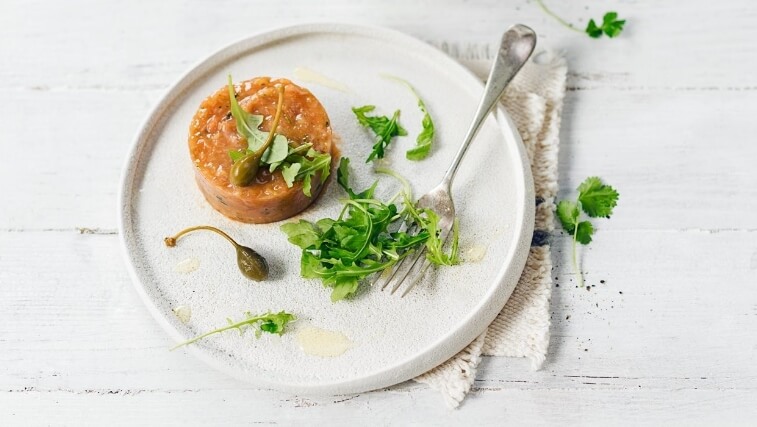
Fifteen minutes and your Food Grinder attachment. That's all that stands between you and a very good tartare. Cut by the book, with a soft, even texture. The flavours, though, take an exotic turn. Raw salmon, juicy pineapple, fresh herbs come together with a splash of sweet soy and a sharp hit of lime. Chill it well and serve with toasted bread or a light salad. Then try not to make it every week.
9. Homemade salmon toast
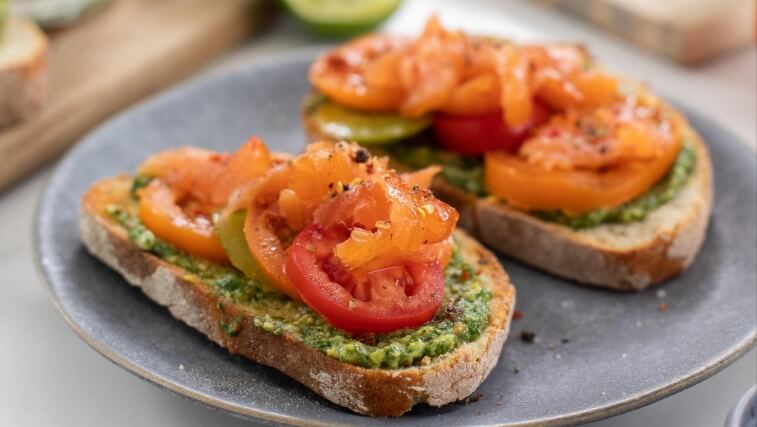
Watch out avocado, you’ve got some competition. And it has all the right textures. Crispy toast, creamy chimichurri and soft, rich salmon, all in one bite. And as for the flavours? It’s fresh, garlicky, with just a bit of heat. Morning, noon or somewhere in between, it works either way. Just eat it straight away, with a squeeze of lime.
Shellfish and mixed seafood recipes
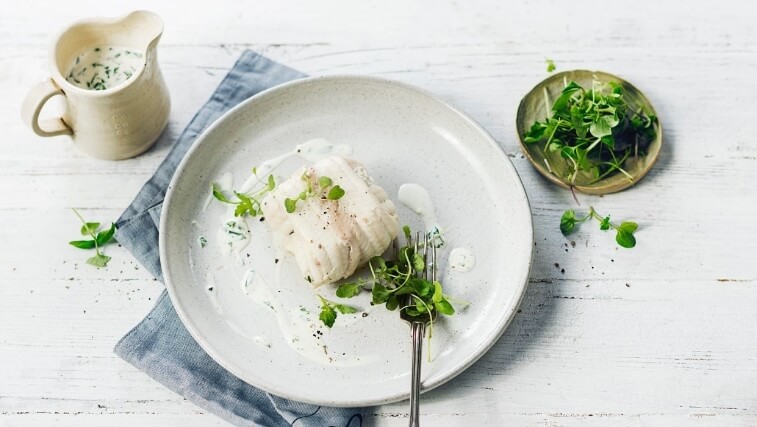
10. Cod loin and shellfish
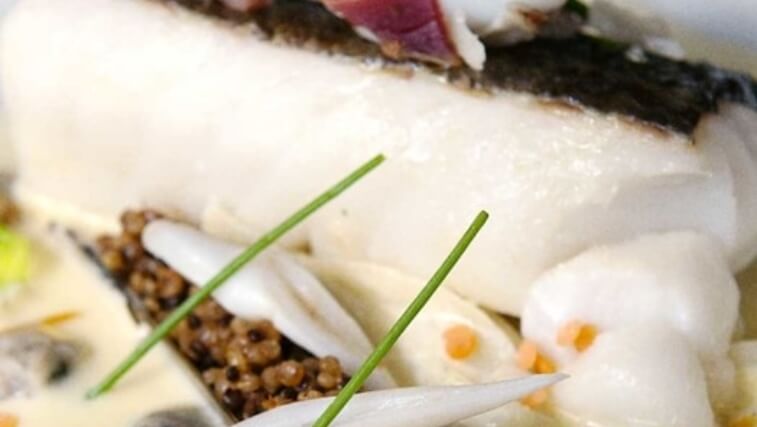
This is the kind of dish you’d expect to order, not make. And yet, thirty minutes is all it takes. At the centre of it? A tender cod loin. The cockles and razor clams aren’t just here to fill the plate though. They simmer down into a deep, savoury jus. Meanwhile leeks and Brussels sprouts sweeten it up a touch, while quinoa and red lentils sneak in a quiet, nutty bite.
11. Dumplings with Shrimp Ginger Cilantro filling
Up for a bit of a challenge? This one has you making dumplings from scratch. Yes, even the wrappers. Stick with it though, it pays off. Once you bite into one, crispy on the bottom, soft on top, packed with juicy shrimp, ginger, garlic and fresh cilantro, you'll understand why. Serve them hot with a simple dipping sauce on the side. Then sit back and wait for the compliments to roll in.

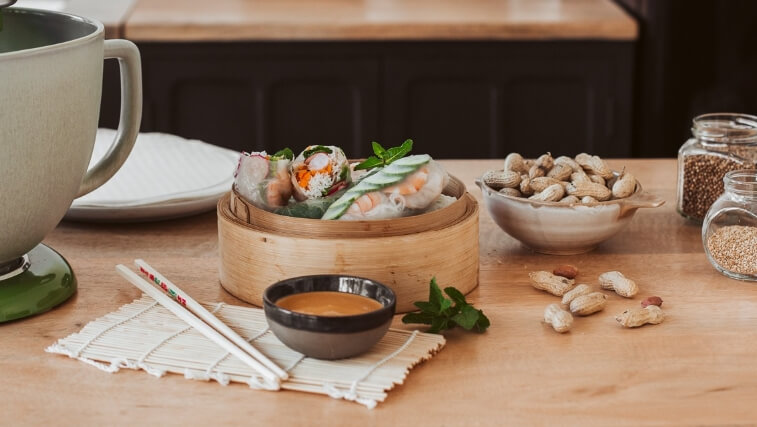
12. Fresh spring rolls
Crunchy veg, creamy avocado, plump shrimp, fresh herbs and soft rice noodles, all wrapped up in rice paper. If spring were a snack, this would be it. They’re fresh, light and surprisingly satisfying, even more so, dipped into some peanut or sweet chili sauce. Make a big batch now, save a few for tomorrow’s lunch, they hold up just fine.
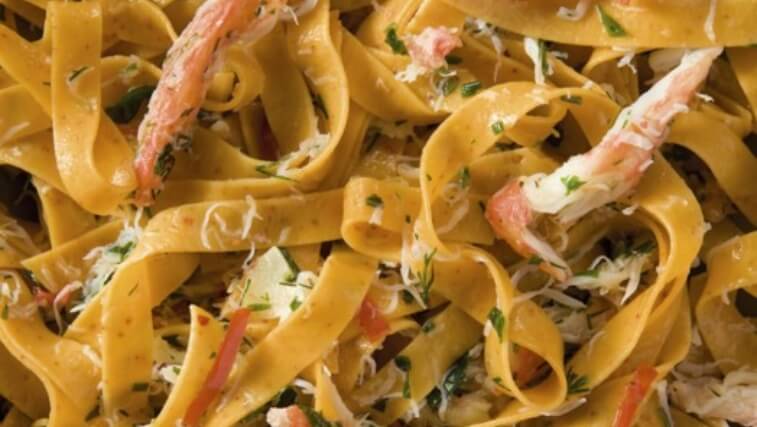
13. Tagliatelle with crab, lemon and fresh herbs
Fresh pasta, fresh crab, fresh herbs. It doesn’t get much fresher than this. And it shows. Full-on crab flavour, kept in check by lemon juice and a generous handful of dill, mint, tarragon and chives. If you let your Stand Mixer with the Vegetable Slicer/Shredder and Pasta Roller and Cutter handle the veg prep and the pasta, you'll have it on the table faster than the internet will have you believe.
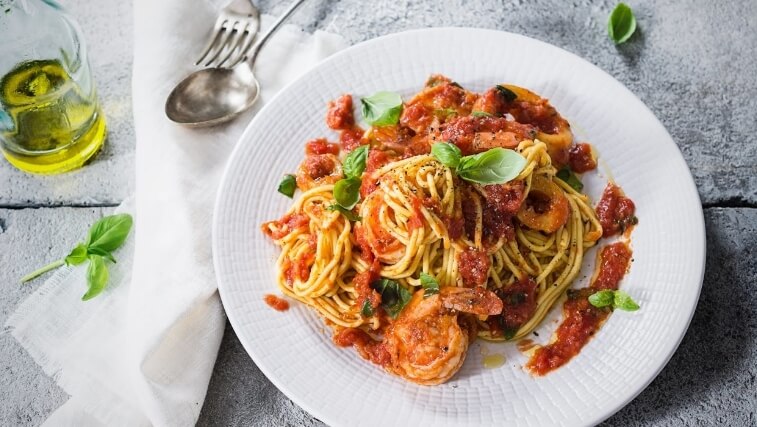
14. Spaghetti with cuttlefish and shrimps ragout
This isn't a "home by six, dinner by six thirty" kind of dish. But that’s mainly because you’re making pasta from scratch. The sauce, on the other hand, comes together fast. Cuttlefish for a deep, savoury hit, shrimp for sweetness, tomato, white wine and olive oil pulling it all into a ragout that’s worthy of a table by the sea. Finish with a drizzle of olive oil and, if you’re in the mood, a hint of chilli.
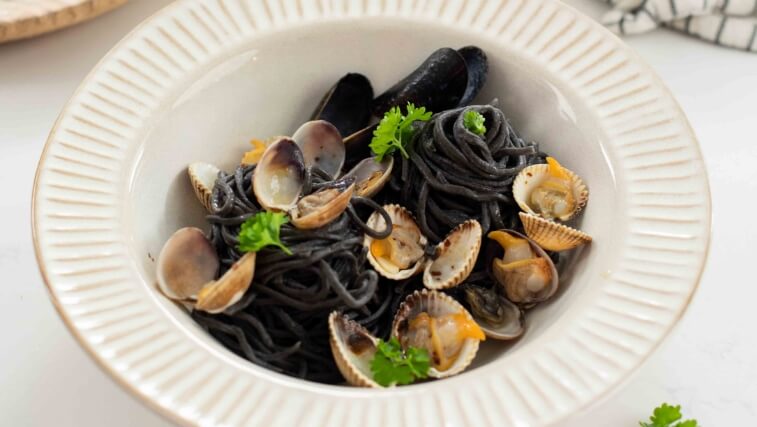
15. Pasta nero
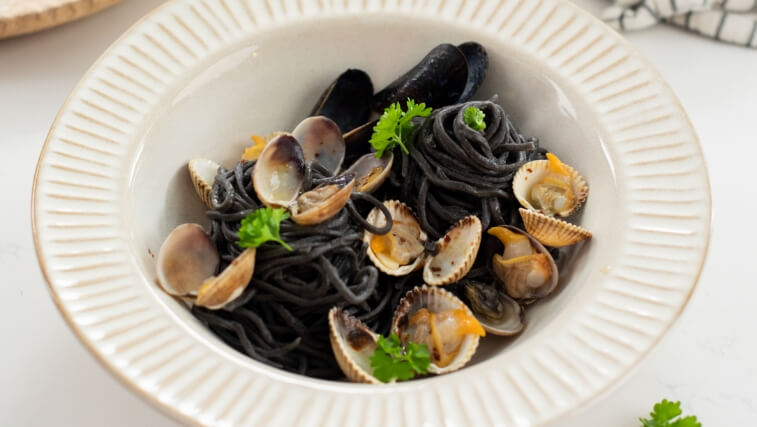
This isn’t your everyday pasta. This one's black, courtesy of squid ink, which doesn't just turn heads but adds a deep, savoury and slightly briny flavour to every strand. Your Stand Mixer with the Pasta Roller and Cutter gets you there in 20 minutes. After a 30 minute rest, you’ve got silky black pasta that cooks fast and holds onto every bit of sauce. So good with clams, mussels or cockles.
Sauces for fish and seafood
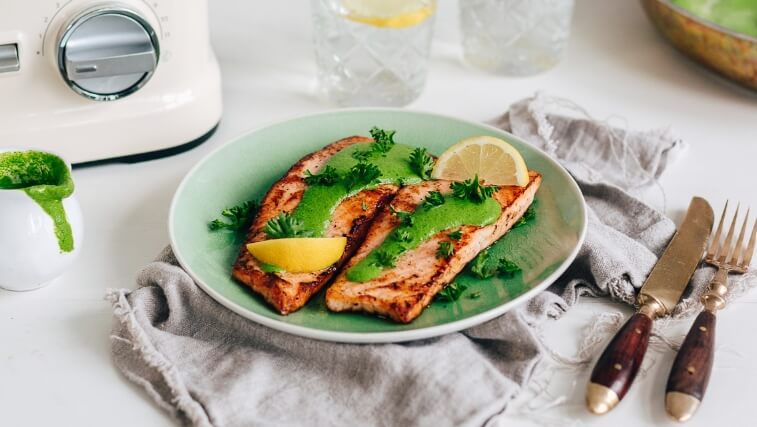
16. Watercress sauce
A mild, creamy sauce with just a little peppery kick from the watercress. Blitz it silky-smooth in your Blender and spoon it over salmon or white fish.
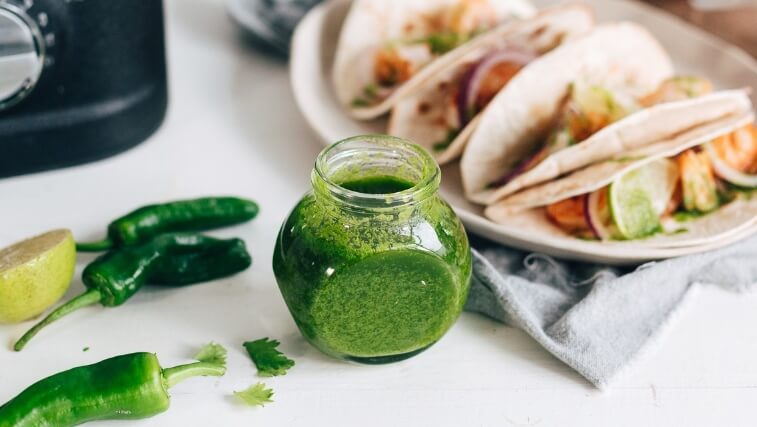
17. Cilantro garlic sauce
Grab some fresh cilantro, garlic, a mild padron pepper and a squeeze of lemon. Pulse it all together and you get this smooth, slightly tangy sauce that cuts right through grilled fish, shrimp or tacos. Even cilantro sceptics will come around.
18. Chimichurri Sauce
This herby sauce is packed with garlic, lemon juice, coriander, parsley, oregano and a bit of chilli. It’s bright and tangy enough to compete with grilled fish, shrimp or vegetables, and fresh enough to make your fish tacos pop. Just don’t overblend it. You want a bit of bite. A quick blitz and you’re done.
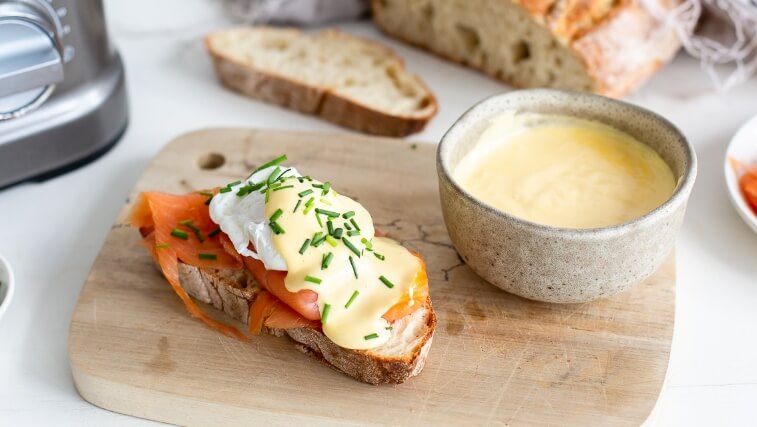
19. Homemade hollandaise sauce
Hollandaise sauce is rich, buttery, but just tangy enough from the lemon. The only catch? Butter and lemon don't naturally mix that well. Good thing your Blender was made for exactly that. Serve it on the spot. Over smoked salmon and poached eggs. Or with some steamed fish and vegetables.
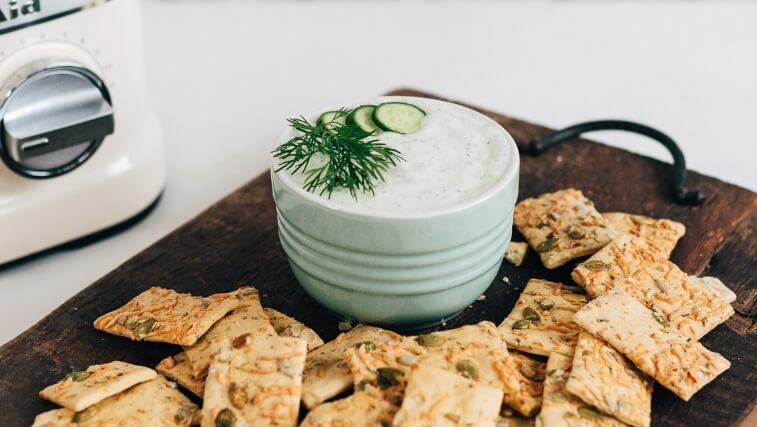
20. Tzatziki
Creamy from the yoghurt, crisp from the cucumber, with garlic for some punch, lemon for a light tang, and a hint of dill to finish. This is the kind of sauce that makes grilled fish, shrimps or prawns taste like a summer meal. Just some flatbread works too. We won’t judge.
21. Aioli
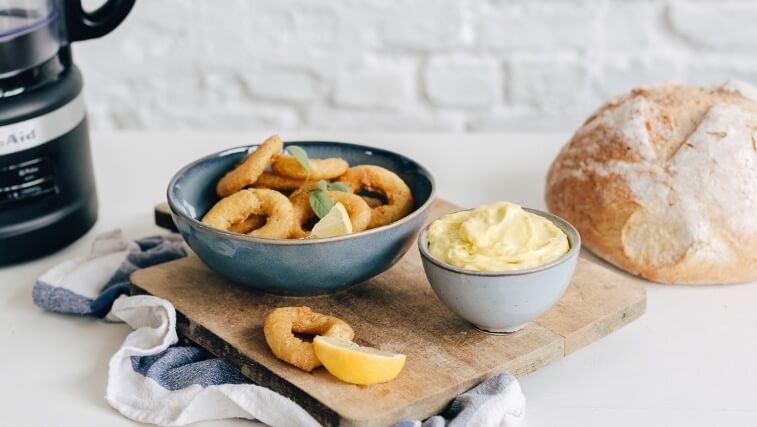
Aioli is garlic's greatest achievement. It’s intense, aromatic and thick enough to cling to every piece of fried fish, calamari or grilled prawn you dip into it. All excellent choices, by the way. Blending that garlic, olive oil and a squeeze of lemon into a smooth, stable sauce? Leave that to your Food Processor. Dipping, that’s your job.
KitchenAid Chef
— Sharing our passion for making
At KitchenAid, we unite people who love cooking and baking, brewing and creating. For over 100 years, KitchenAid has worked on behalf of every Maker out there. Our iconic tools are made with you in mind — opening the door to new possibilities and helping you to get most out of making.